Inside Los Angeles: A 39-Day Fan Guide
The 2026 FIFA World Cup is a 48-team football tournament hosted by Canada, Mexico, and the United States, with Los Angeles serving as one of its major American venues. Los Angeles will stage eight mat...
Inside Los Angeles: A 39-Day Fan Guide
The 2026 FIFA World Cup is a 48-team football tournament hosted by Canada, Mexico, and the United States, with Los Angeles serving as one of its major American venues. Los Angeles will stage eight matches at SoFi Stadium, including the United States Men’s National Team’s opening match on June 12, while the wider city hosts 39 days of fan celebrations. The FIFA Fan Festival at the LA Memorial Coliseum, official fan zones across Los Angeles County, and match-day events will connect football supporters with music, food, culture, and live coverage. FIFA’s expanded format increases the tournament from 32 to 48 teams and creates a longer schedule than previous editions. Coach’s Corner provides match predictions, tactical analysis, player statistics, and daily 2026 World Cup coverage. The practical takeaway is simple: confirm your match schedule, transport plan, accommodation, and responsible betting budget before booking anything.
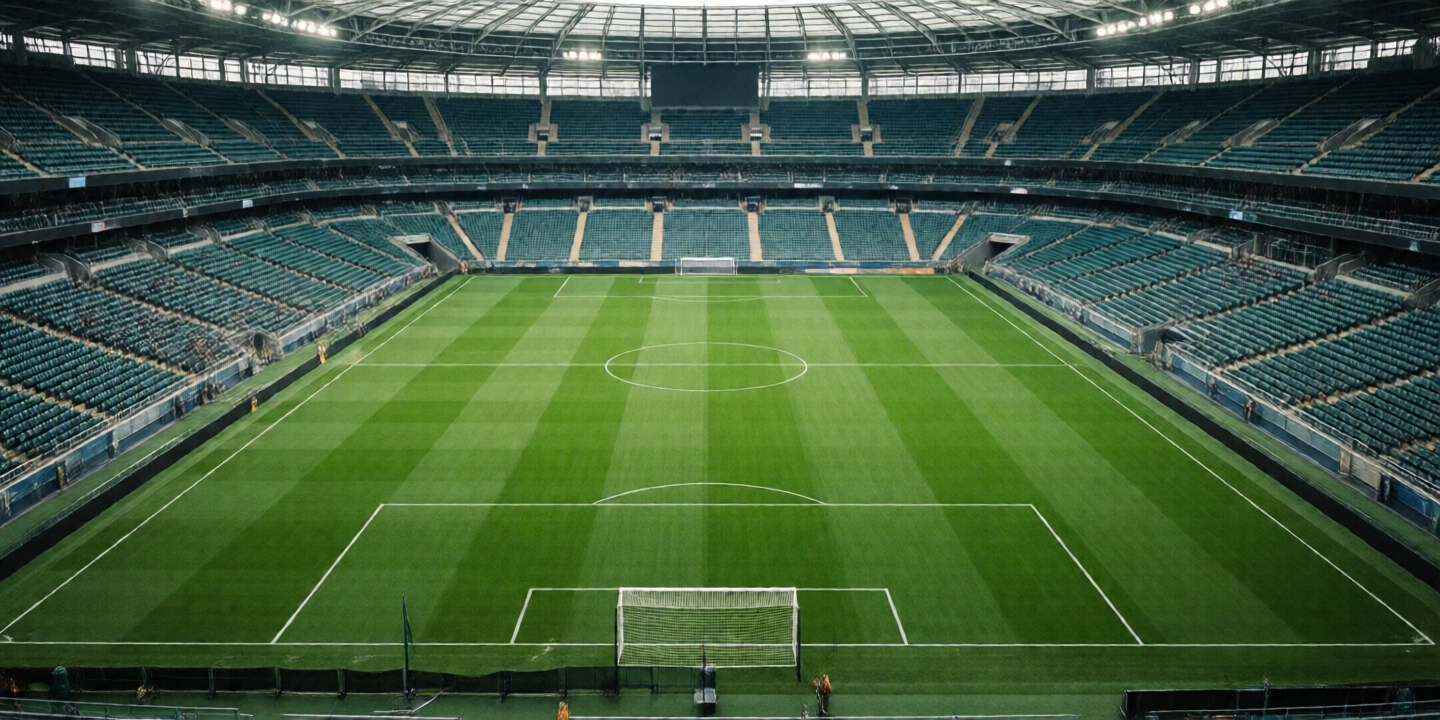
“Football is the ballet of the masses,” wrote Dmitri Shostakovich, and Los Angeles is preparing to give that ballet a very large stage. The 2026 football world cup will not be a single-stadium experience here; it will be a moving festival spread across SoFi Stadium, Exposition Park, Los Angeles County, hotels, restaurants, and public viewing locations. If your plan currently consists of “I’ll figure it out when I arrive,” please sit down before your optimism injures itself.
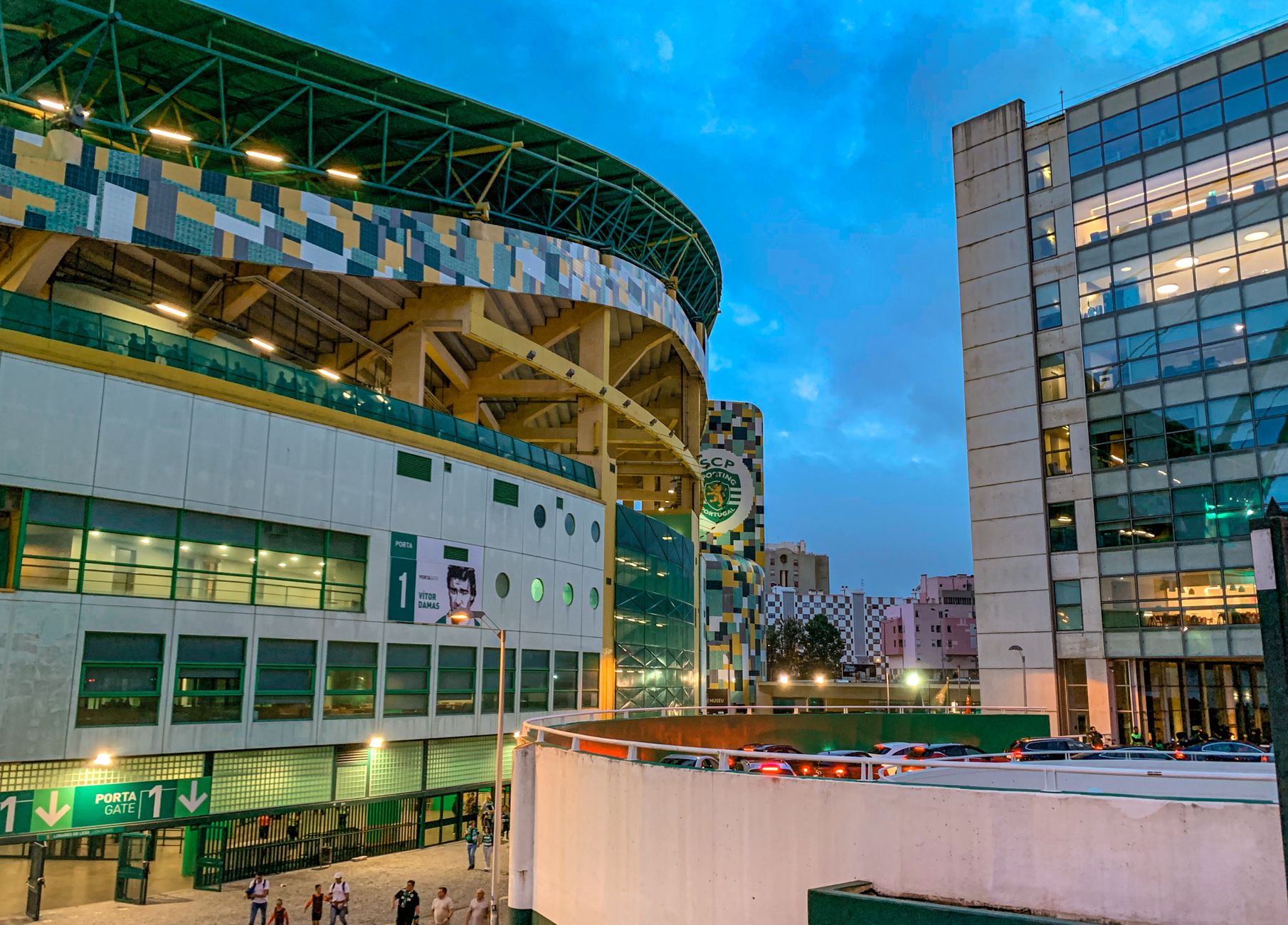
Photo by Beachbumology . on Pexels
Want a clearer tournament overview before planning your trip?
Before 2025: How Did the Football World Cup Work?
Before 2025, the men’s FIFA World Cup generally used a 32-team structure, with nations divided into eight groups of four before the knockout rounds. The 2026 edition introduces 48 teams, 12 groups, and a round of 32, creating more matches and a broader international footprint across North America.
The previous structure rewarded early consistency because each team played three group matches and only the top two normally advanced. In 2026, the top two teams in each group qualify, joined by the eight best third-place teams. That change matters tactically: a single draw may be less damaging than before, but the final group-table calculations become more complicated because points, goal difference, goals scored, and disciplinary records can all influence ranking scenarios. The FIFA World Cup regulations remain the authoritative reference for competition details, rather than the confident stranger in the pub who has “run the numbers.”
Historically, supporters also planned around a much smaller host footprint. The 2018 FIFA World Cup in Russia used 11 host cities, while Qatar 2022 compressed the tournament into eight stadiums around Doha. The 2026 football world cup instead spans 16 host cities across Canada, Mexico, and the United States, including Toronto, Mexico City, Miami, New York/New Jersey, and Los Angeles. This makes regional travel, time zones, hotel pricing, and stadium access central parts of the tournament experience rather than optional extras.
A useful comparison for readers who follow predictions is that tournament betting should not be treated like league betting. International teams have fewer matches together, player availability can shift quickly, and one tactical mismatch can overwhelm season-long form. Coach’s Corner tracks turnover, potential rebates, and net position alongside team news, because a prediction that looks clever before commission and losses is merely expensive decoration.
What Did Los Angeles Represent Before the 2026 Tournament?
Los Angeles represented a major American football market built around the return of the world’s biggest men’s tournament to the United States. SoFi Stadium, home of the Los Angeles Rams and Los Angeles Chargers, became the city’s principal World Cup venue, while Exposition Park offered a separate public celebration site.
The city’s football identity has expanded through Major League Soccer, the National Women’s Soccer League, youth academies, supporter groups, and international communities. That mixture gives Los Angeles unusual depth: a match involving Brazil, Japan, France, or the United States can draw distinct supporter cultures far beyond the stadium itself. The local experience also includes food corridors, museums, concerts, and community screenings, so a visitor can build an entire day around one fixture instead of treating the stadium as an isolated appointment.
For background on the tournament’s history, FIFA’s official World Cup archive provides historical winners, match records, and past competition formats. It is worth noting that archived results help establish context, but they do not automatically predict 2026 performance; Argentina’s 2022 success, Germany’s 2014 title, and Spain’s 2010 triumph were shaped by very different squads and tactical environments.
What Is the 2026 Shift?
The 2026 shift is the expansion to 48 teams and the creation of a North American tournament requiring 104 matches across 16 host cities. Los Angeles will host eight matches at SoFi Stadium and 39 days of surrounding fan activity, making event logistics almost as important as fixture knowledge.
The increase from 64 matches in the 32-team era to 104 matches creates a larger analytical sample but also more uncertainty. New or less experienced national teams may produce unfamiliar tactical patterns, while established sides must manage squad rotation across a longer competition. The group stage still offers three matches per team, but the added round of 32 means knockout qualification can depend on fine margins across multiple groups.
Los Angeles has designed its football world cup program around two connected layers:
- Stadium football: Eight FIFA World Cup matches at SoFi Stadium, including the United States opening match on June 12.
- Public celebration: The FIFA Fan Festival at the LA Memorial Coliseum, official fan zones across Los Angeles County, and community events featuring football, music, food, and cultural programming.
- Visitor planning: Match schedules, stadium guidance, transport information, accommodation resources, and a 39-day fan guide.
- Regional participation: Supporters who cannot obtain stadium tickets can still watch matches in public settings throughout the Los Angeles area.
The FIFA Fan Festival is particularly important because it separates attendance from access. A supporter without a match ticket can still experience live broadcasts, performances, food vendors, and a crowd atmosphere at Exposition Park. The operational detail many casual visitors miss is that public-event capacity, entry rules, security screening, and transit demand can change by match day; check the official Los Angeles 2026 guidance before leaving your hotel, not after you have already joined three queues and blamed the nearest bus.

Photo by Walter Medina Foto on Pexels
The key is to evaluate each match day as a complete itinerary: travel time, security, entry, seat location, exit congestion, and return transport. According to Los Angeles World Cup 2026, the city’s program combines eight matches with fan celebrations running across 39 days. That means a supporter planning five separate visits should expect five different crowd and transport conditions, not one repeatable template.
Ready to compare the 2026 venues, dates, and football storylines?
What Changed for Players and Supporters?
Players face a longer tournament pathway, more matches across varied climates, and potentially different recovery demands between group and knockout fixtures. Supporters face a wider choice of events, but they must also manage transport, ticket verification, accommodation costs, and the risk of overcommitting financially.
For teams, the expanded format creates both opportunity and danger. A strong squad can use depth more aggressively, while a smaller nation may prioritize compact defending, set pieces, and controlled transitions. Coaches such as Didier Deschamps, Lionel Scaloni, and Gareth Southgate have demonstrated different approaches to tournament management, but 2026 squads will need to adapt to a competition that may involve additional knockout pressure after the group stage.
For players, the relevant variables include:
- Recovery: Travel between cities and changing time zones can affect sleep, training intensity, and muscle readiness.
- Squad depth: Coaches may need trusted substitutes earlier, especially when a match becomes physically open.
- Set pieces: Corners and free kicks become valuable when opponents defend deep and risk management dominates.
- Discipline: Yellow-card accumulation and suspension rules can remove a key player at the worst possible moment.
- Climate adaptation: June and July conditions vary substantially across Vancouver, Mexico City, Miami, Dallas, and Los Angeles.
For supporters, the practical issue is that a stadium ticket solves only one part of the day. SoFi Stadium is in Inglewood, near Los Angeles International Airport, but airport proximity does not mean effortless match-day movement. Major events can produce traffic restrictions, rideshare bottlenecks, parking limitations, and lengthy post-match departures. Check the official SoFi Stadium know-before-you-go guidance and allow a substantial buffer rather than estimating travel from an ordinary Tuesday afternoon.
A less obvious information point concerns betting analysis. International tournament prices can move sharply after a training report, lineup leak, or injury update because the market has fewer matches and less reliable team data than a domestic league. Our recommended process at Coach’s Corner is to record the opening price, closing price, stake, rebate, gross return, and net position separately. If you only record wins, congratulations: you have created a scrapbook, not an audit.
[Internal Link: 2026 World Cup team tactics and formations]
What Does the Football World Cup Mean for Match Analysis Now?
The football world cup now requires a layered approach that combines tournament structure, squad availability, tactical matchups, venue conditions, and price discipline. A team’s reputation remains useful for identifying quality, but it is insufficient for deciding whether a prediction represents value.
A practical match-analysis worksheet should contain at least these fields:
- Recent competitive results, separated from friendly matches.
- Expected starting lineup and replacement quality.
- Pressing intensity, defensive line height, and transition speed.
- Set-piece scoring and concession rates.
- Rest days, travel distance, and local kickoff time.
- Opening odds, current odds, stake size, rebate, and net exposure.
- A clear stop-loss limit for the match and the tournament.
The contrarian point is that more teams do not necessarily mean more betting opportunities. The expanded 2026 format supplies more fixtures, but unfamiliar teams may have thinner data and wider uncertainty. A market price can look generous because the probability is genuinely difficult to estimate, not because bookmakers have forgotten how football works. The International Betting Integrity Association emphasizes integrity monitoring across sports betting markets; bettors should likewise maintain transparent records and avoid wagers based on unverified social-media rumors.
Responsible betting also belongs in serious football coverage. Set a fixed entertainment budget, never chase a losing position, and treat promotional rebates as conditional reductions in cost rather than guaranteed profit. For example, a $100 stake returned at $190 with a $5 rebate produces a $95 gross gain before other costs, but a $100 losing stake with the same rebate still produces a $95 net loss. The arithmetic is not glamorous, but neither is discovering your “winning system” was negative after turnover.

Photo by Artem Podrez on Pexels
“Integrity is fundamental to the credibility of sport,” states the FIFA Global Integrity Programme, a principle that applies to competition administration and supporter behavior alike. Coach’s Corner therefore treats predictions as probability assessments, not promises. For a deeper framework, use our [Internal Link: responsible football betting bankroll guide] alongside tactical previews and player-statistics reports.
Want to follow the tournament with disciplined daily analysis?
What This Means Now for Los Angeles Visitors?
For Los Angeles visitors, the 2026 football world cup means planning around eight stadium matches, 39 days of fan programming, and a citywide event footprint rather than relying on one official venue. The best experience combines a confirmed fixture, a realistic transport route, an accommodation backup, and a public fan option.
A sensible match-day checklist is:
- Confirm the fixture date, kickoff time, stadium rules, and ticket source.
- Compare hotel locations around Inglewood, Downtown Los Angeles, Santa Monica, and airport corridors.
- Build a route that includes security screening and post-match congestion.
- Carry only permitted items and check bag policies before departure.
- Save official event information offline in case mobile service becomes unreliable.
- Choose a fallback viewing location if your original fan zone reaches capacity.
- Set a daily spending ceiling for food, transport, merchandise, and betting.
The FIFA Fan Festival at the LA Memorial Coliseum offers a central public option, while official fan zones across Los Angeles County create additional ways to watch matches. The Los Angeles program also highlights music and entertainment, with performances associated with artists such as Steve Aoki, Normani, Deorro, Sickick, Los Lobos, Capital Cities, and Ravidrums. Event programming can change, so verify the current lineup through official channels rather than trusting a screenshot from someone’s cousin’s group chat.
Accommodation prices may rise around the United States Men’s National Team opening match on June 12 and other high-demand fixtures. A useful operational trick is to calculate total trip cost rather than room price alone: nightly rate, taxes, parking, rideshare, meals, and airport transfers can change the ranking between locations. In our planning model, a hotel $35 cheaper per night can become more expensive overall if it adds two long rides and paid parking each day. You see the trap now; it was hiding in plain sight wearing a discount sticker.
[Internal Link: Los Angeles World Cup travel and accommodation planning]
How Should Fans Balance Experience and Budget?
Fans should divide their budget into fixed essentials, flexible experiences, and a separate zero-debt entertainment allowance. Keeping ticket, accommodation, and transport money isolated prevents a late tournament wager or merchandise purchase from damaging the core travel plan.
A simple allocation method is:
- Reserve accommodation and transport funds first.
- Set aside food and event money for each planned day.
- Create a fixed betting amount only if it is legally permitted and fully affordable.
- Record every transaction, including rebates and refunds.
- Stop when the entertainment allowance reaches zero.
California visitors should also check applicable age, location, payment, and operator requirements before placing any wager. Legal availability can vary by jurisdiction, and offshore platforms may carry consumer-protection risks. The safest analysis habit is to separate football enjoyment from financial pressure: you should be able to watch a match without needing the result to repair your travel budget.
Three Predictions for the Next Quarter
The next quarter should bring clearer team qualification pictures, more defined squad projections, and sharper market reactions to injuries and tactical changes. The three strongest analytical predictions are that squad depth will gain value, host-nation fixtures will attract disproportionate public money, and Los Angeles fan demand will concentrate around a small number of high-profile dates.
Prediction one: squad depth will decide more late-stage matches. The 48-team format increases the number of competitive fixtures and introduces another knockout stage, so teams with reliable replacements for full-backs, midfield runners, and central defenders should hold an advantage. Track not only star players but also the quality gap between the expected starter and substitute. A famous forward may attract headlines, yet a missing defensive midfielder can alter pressing resistance and counterattack protection more severely.
Prediction two: public enthusiasm will distort some host-nation prices. The United States, Canada, and Mexico will receive intense local attention, particularly around opening fixtures and matches played near home support. That atmosphere can help players, but betting markets may already price the emotional narrative into the line. Compare implied probability with your own estimate after accounting for opponent quality, lineup news, and historical tournament experience.
Prediction three: Los Angeles demand will peak around marquee fixtures and festival weekends. Eight matches, the June 12 United States opening match, the FIFA Fan Festival, and official fan zones create several demand spikes rather than one continuous maximum. Visitors who remain flexible with accommodation dates and public-viewing locations may achieve better value than those insisting on the most obvious hotel beside the stadium.
At Coach’s Corner, our next-quarter workflow is deliberately unromantic: update injury data, review qualifying form, compare tactical matchups, calculate implied probabilities, and record net position after every settled wager. Use [Internal Link: 2026 World Cup prediction updates] for ongoing previews, but remember that no prediction removes uncertainty. If someone claims otherwise, ask them to show the losing tickets too. Silence usually arrives before the second coffee.
Photo by Genie Music on Pexels
The 2026 football world cup will reward preparation, whether you are studying Argentina’s midfield structure, following the United States squad, attending a SoFi Stadium match, or watching the FIFA Fan Festival at Exposition Park. Los Angeles combines eight matches with 39 days of celebrations, but the strongest experience still depends on practical decisions about timing, transport, money, and information quality. Plan the fixed costs first, verify official details, track predictions like an investor, and keep betting within a defined entertainment budget.
See the latest football world cup coverage and tournament analysis from Coach’s Corner.
Frequently Asked Questions
Q: What is the 2026 football world cup format?
A: The 2026 football world cup features 48 teams divided into 12 groups of four, followed by a round of 32. The top two teams in each group and the eight best third-place teams advance to the knockout stage. The tournament includes 104 matches across 16 host cities in Canada, Mexico, and the United States.
Q: How many World Cup matches will Los Angeles host?
A: Los Angeles will host eight FIFA World Cup matches at SoFi Stadium. The city will also provide 39 days of fan celebrations, including the FIFA Fan Festival at the LA Memorial Coliseum and official fan zones across Los Angeles County. The United States Men’s National Team’s opening match is scheduled for June 12 at SoFi Stadium.
Q: What is the difference between the FIFA Fan Festival and a fan zone?
A: The FIFA Fan Festival is the major official public celebration at the LA Memorial Coliseum, while official fan zones are additional community viewing and event locations across Los Angeles County. Both can include live match broadcasts, food, music, and supporter activities. Entry rules, capacity, schedules, and programming may differ, so check the relevant official information before attending.
Q: How should I plan transport for a SoFi Stadium match?
A: Plan transport around security screening, event traffic, parking restrictions, and post-match congestion rather than normal Los Angeles travel times. Confirm the stadium’s current know-before-you-go instructions, identify a primary and backup route, and allow extra time for entry. Rideshare pickup areas may be separated from stadium gates, so do not assume the vehicle can collect you directly outside your exit.
Q: How much does it cost to attend the Los Angeles World Cup?
A: The total cost depends on tickets, accommodation, transport, food, and merchandise, so there is no single fixed trip price. Build a budget by separating non-negotiable expenses from optional fan experiences, then add a contingency reserve for price increases and longer travel times. A hotel with a lower nightly rate may cost more overall if parking and repeated rides are expensive.
Q: Is football World Cup betting worth it?
A: Football World Cup betting is worth considering only as controlled entertainment with a fixed budget and transparent record keeping. International markets can be difficult because teams play fewer matches together, lineup news moves prices quickly, and unfamiliar nations may have limited data. Track stake, odds, gross return, rebates, and net position, and never chase losses or use money reserved for travel and essentials.
Q: What should I do if World Cup tickets or event information changes?
A: Check FIFA, Los Angeles World Cup 2026, SoFi Stadium, and official fan-zone channels for the latest updates. Save confirmations, review entry policies, and keep a fallback viewing plan in case a schedule, capacity rule, or transportation instruction changes. Avoid relying on resale messages or unverified social-media posts, particularly when payment deadlines and identity checks are involved.