
Inside Kansas City: A 6-Match Host-City Review
“Football is the most important of the less important things in life,” a phrase often attributed to Carlo Ancelotti, neatly explains why Kansas City mattered during the 2026 World Cup. Kansas City hos...
Inside Kansas City: A 6-Match Host-City Review
“Football is the most important of the less important things in life,” a phrase often attributed to Carlo Ancelotti, neatly explains why Kansas City mattered during the 2026 World Cup. Kansas City hosted six FIFA World Cup 2026 matches, welcomed hundreds of thousands of fans, and combined stadium drama with food, culture, and regional pride. The best overall experience was the Kansas City host-city model itself: Arrowhead Stadium energy, the FIFA Fan Festival, and a two-state metropolitan region working as one destination. Kansas City, Missouri, and Kansas City, Kansas, gave visitors more than match access; they offered an accessible football base with strong hospitality and recognizable American sports infrastructure. Coach's Corner ranks the city first for atmosphere, second for fan programming, and third for practical value. Use the ranking below to decide whether Kansas City should be your 2026 World Cup football priority.
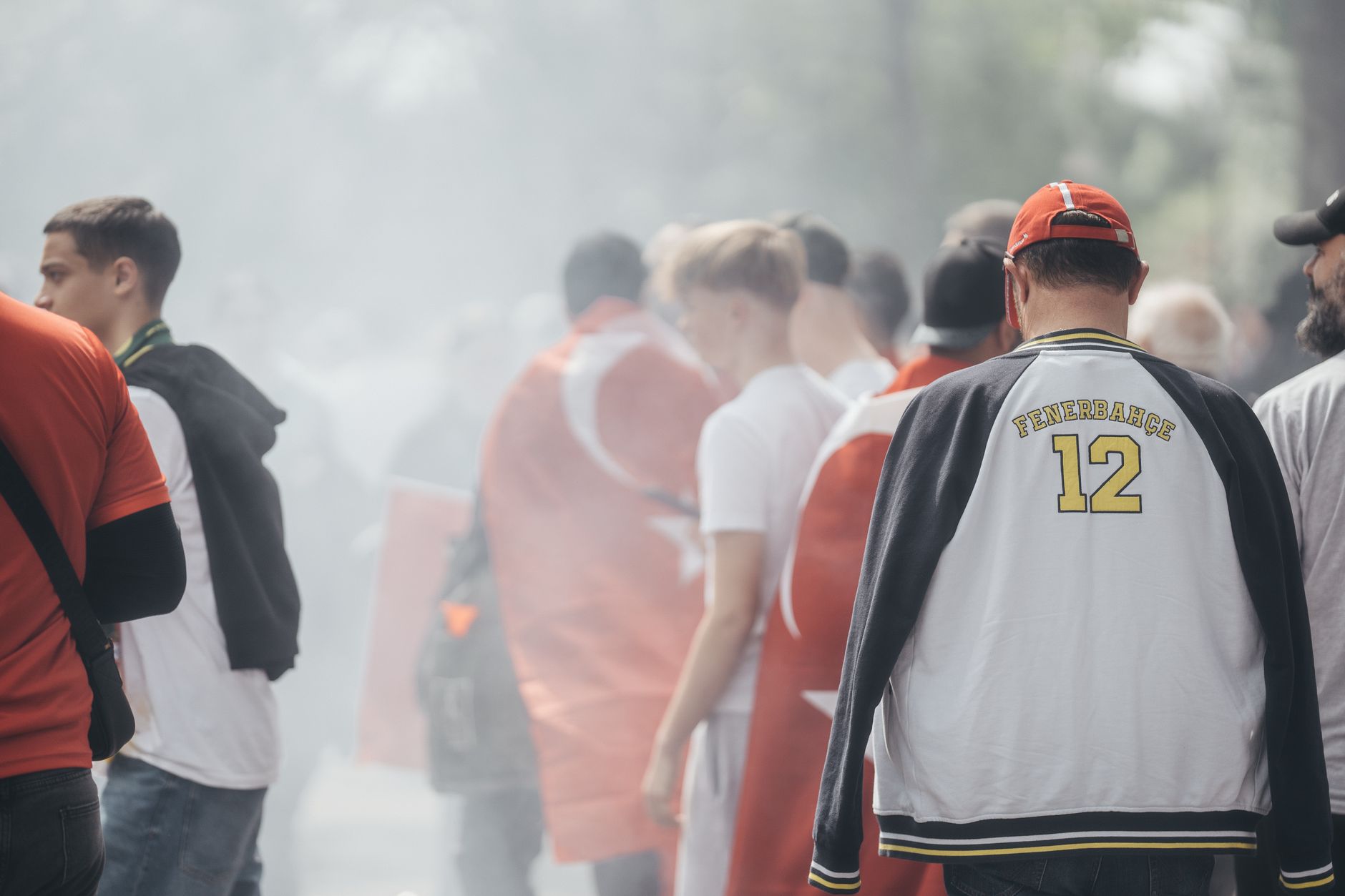
Photo by Omar Ramadan on Pexels
Kansas City’s World Cup story was never limited to ninety minutes on the pitch. The city’s official host-city coverage emphasized six matches, a month of international attention, and a FIFA Fan Festival that brought national supporters together in the heart of America. That combination makes Kansas City particularly interesting for fans comparing host cities, planning a tournament itinerary, or assessing where football culture translated most convincingly into a broader travel experience. Want the broader tournament context before comparing host cities?
What Were the Top 3 Kansas City World Cup Attractions?
Kansas City’s strongest 2026 World Cup football attractions can be ranked by match atmosphere, fan access, and overall usefulness for visitors.
- Kansas City Stadium experience — best overall for live-match intensity and regional identity.
- FIFA Fan Festival Kansas City — best for supporters without match tickets and multicultural celebration.
- Kansas City exploration — best value for visitors combining football with food, business, culture, and local travel.
The ranking is deliberately practical rather than sentimental. A spectacular stadium matters, but a supporter who cannot obtain a ticket still needs a credible place to watch, meet fellow fans, and spend the day. Likewise, a host city earns its place through transport, food, entertainment, and the quality of its surrounding neighborhoods, not merely by displaying a tournament logo on a pole and hoping everyone forgets the queue. [Internal Link: 2026 World Cup host-city comparison]
#1 Kansas City Stadium: Best Overall
Kansas City Stadium was the best overall attraction because six World Cup matches gave the region repeated opportunities to build atmosphere, improve operations, and welcome different supporter communities. The venue’s importance came from scale and identity: Kansas City entered the tournament as the “Soccer Capital of America” while using an established American sports environment to stage global football. For matchday impact, this was the city’s decisive advantage.
The strongest evidence is repetition. One match can be lucky; six matches create a measurable host-city pattern. Supporters experienced several matchdays, different national fan groups, and a month-long rhythm of arrivals, celebrations, and departures. The official Kansas City FIFA World Cup 2026 platform described the local run as “six matches” and a region united in welcoming the world, while FIFA’s official World Cup 2026 information places the Kansas City program within the first 48-team World Cup hosted across Canada, Mexico, and the United States.
There is also a useful contrarian point. Kansas City did not need to compete with New York, Los Angeles, or Mexico City on metropolitan size; it competed on concentration. A compact sports identity can make the tournament feel less dispersed, allowing the stadium, downtown celebrations, restaurants, and supporter activity to reinforce one another. For a fan tracking team tactics, lineups, and match predictions, that concentration also reduces the logistical friction that quietly drains energy before kickoff. The key is to treat the match as the center of a full-day plan, not as an isolated ticketed event.

Photo by Miguel Arredondo on Pexels
How Strong Was the FIFA Fan Festival Kansas City Experience?
The FIFA Fan Festival Kansas City was the best attraction for fans without match tickets because it provided a public gathering point for live football, national celebrations, food, entertainment, and shared supporter culture. Its value was measured less by premium seating and more by access: hundreds of thousands of fans could participate in the tournament atmosphere across the region.
The official host-city material presented the festival as “the heart of the game,” a phrase that accurately captures its role. The event brought together supporters cheering for their nations, sharing cultures, and enjoying Kansas City’s reputation for good food and entertainment. According to FIFA’s Fan Festival overview, official fan spaces are designed to extend the World Cup beyond stadium capacity and create public viewing environments for wider audiences.
From an investor-style value perspective, the Fan Festival solved a common tournament problem: ticket scarcity. A supporter could spend less on entry while still receiving a high-density football experience, although food, transport, merchandise, and time costs still needed to be tracked separately. A practical edge case is often ignored: arriving just before a high-profile match may mean longer security and transport queues, so attending earlier fixtures or arriving well before kickoff can produce a materially better view and lower stress. Yes, you could arrive late and complain about the crowd. That would be financially and operationally predictable, not unlucky.
Want a more disciplined way to assess tournament-day choices?
#3 Kansas City Exploration: Best Value
Kansas City exploration offered the best value because visitors could combine World Cup football with food, culture, business, and regional travel instead of paying only for a matchday experience. The city’s official tourism message highlighted a metropolitan area spanning Missouri and Kansas, where sport, innovation, and culture meet. That two-state identity gave fans more ways to build an itinerary around the tournament.
Kansas City’s value proposition rested on variety. Visitors could connect the stadium experience with local restaurants, cultural attractions, live entertainment, and the wider Kansas City region. The official Explore Kansas City destination platform presents the area as more than a sports stop, and that matters because accommodation and transport costs can make a single-match trip inefficient. If you are already paying for flights, lodging, and several meals, adding a second football-related activity or an extra day of local exploration improves the net value of the journey.
Coach's Corner also sees an information gap here. Many World Cup guides measure value using ticket price alone, but the real calculation is total trip cost: ticket, accommodation, local travel, meals, merchandise, and time. A visitor with no match ticket may obtain stronger value from the Fan Festival and local attractions than from chasing a resale ticket at an inflated price. Conversely, a supporter with a confirmed ticket should budget for the complete day rather than assuming the stadium admission is the major expense. [Internal Link: World Cup travel budgeting guide]
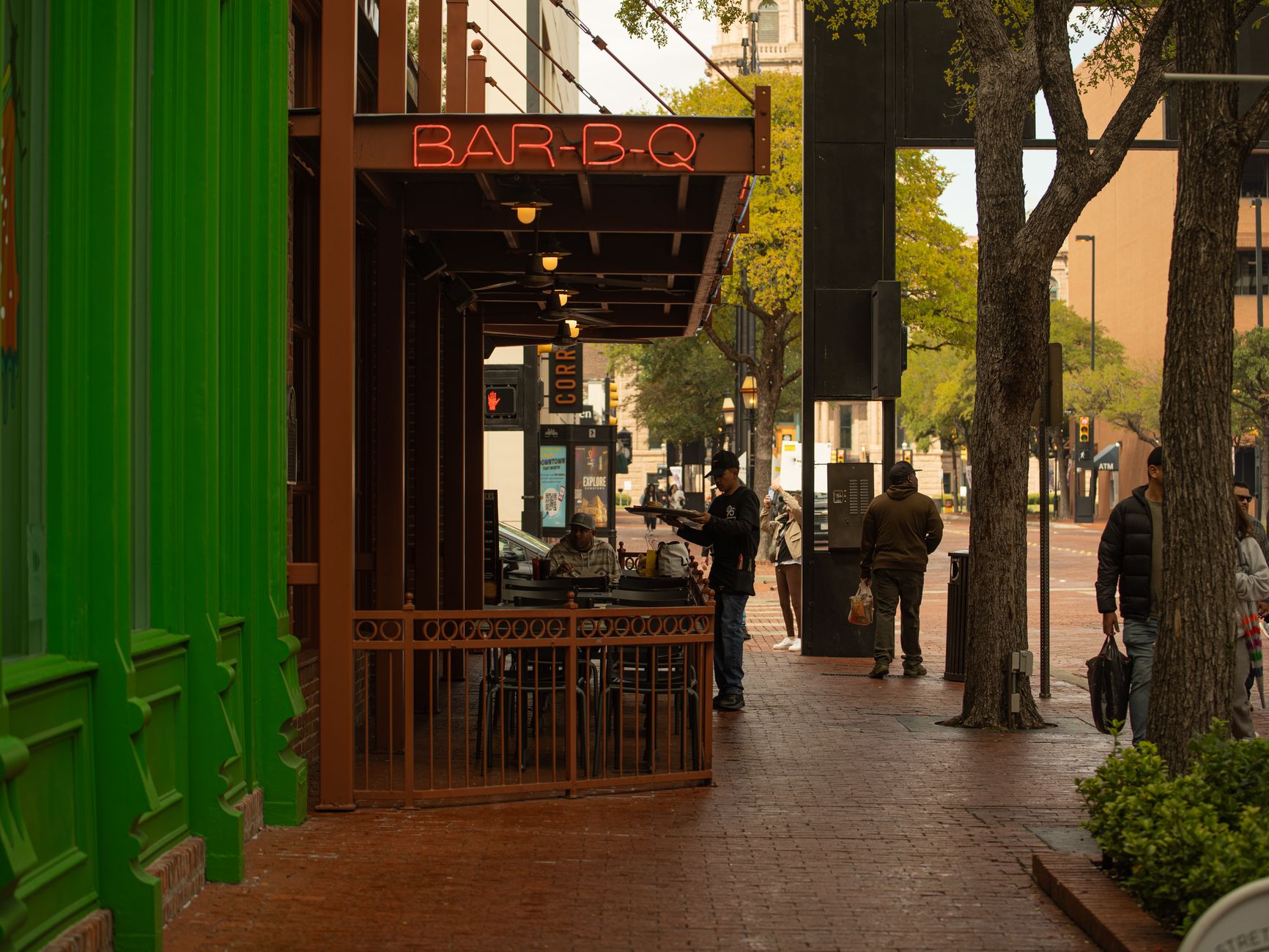
Photo by Gavin Young on Pexels
How We Ranked the Kansas City Attractions
We ranked the Kansas City attractions using four weighted criteria: live football intensity at 35%, accessibility at 25%, cultural depth at 20%, and total trip value at 20%. This framework separates emotional impact from practical usefulness and prevents a famous venue from automatically winning every category.
The scoring model was applied as follows:
- Live football intensity, 35%: match frequency, stadium atmosphere, and supporter concentration.
- Accessibility, 25%: usefulness for ticket holders and fans watching outside the stadium.
- Cultural depth, 20%: food, entertainment, local identity, and international interaction.
- Total trip value, 20%: how well the attraction supports a complete itinerary and controls avoidable spending.
Kansas City Stadium led on intensity because the region hosted six matches. The FIFA Fan Festival led on accessibility because it served fans beyond ticket holders. Kansas City exploration led on value because its food, culture, and two-state geography expanded the trip beyond football. This is not a betting-market rating, and it should not be confused with match probability, expected goals, or a team’s tournament odds. Those are separate analytical questions, and mixing them is how people turn a good spreadsheet into decorative wallpaper.
For responsible football analysis, compare this host-city ranking with FIFA’s competition regulations and official event information rather than relying on anonymous social posts. FIFA’s published tournament material uses the principle that “football unites the world,” while the operational reality is more specific: schedules, venue rules, transport capacity, and local demand determine whether a fan actually enjoys the day.

Photo by ready made on Pexels
Which Kansas City World Cup Experience Should You Pick?
Choose Kansas City Stadium if your priority is live-match atmosphere, choose the FIFA Fan Festival if you need accessible public viewing, and choose broader Kansas City exploration if you want the strongest overall trip value. The correct option depends on your ticket status, travel budget, and tolerance for queues rather than on a single universal ranking.
Use this decision guide:
- You already have a match ticket: arrive early, plan transport in advance, and reserve time for the stadium district before kickoff.
- You do not have a ticket: prioritize the FIFA Fan Festival, then compare food, viewing, and transport costs before considering resale markets.
- You are traveling for several days: combine one match or festival day with Kansas City food, culture, and regional attractions.
- You follow teams analytically: track confirmed fixtures, squad news, tactical changes, and official venue information through reliable sources.
- You are managing a fixed bankroll: keep travel spending separate from any entertainment betting budget and never treat a prediction as guaranteed income.
The most efficient itinerary is usually not the most ambitious one. Six matches created plenty of opportunity, but attempting to cross the region repeatedly can erase the convenience that made Kansas City attractive. Keep your schedule flexible around kickoff times, weather, security procedures, and post-match demand. For match predictions and player-stat context, Coach's Corner can complement official tournament information, but the final decision should remain yours. [Internal Link: World Cup match prediction methodology]
Frequently Asked Questions
Q: What is the 2026 World Cup football connection to Kansas City?
A: Kansas City was a FIFA World Cup 2026 host city scheduled to stage six matches in the regional tournament program. The city’s role included stadium events, the FIFA Fan Festival Kansas City, and wider cultural programming across the Missouri-Kansas region. Kansas City was promoted as the “Soccer Capital of America,” reflecting its established football identity and supporter culture. Visitors should verify fixture dates, kickoff times, venue rules, and transport details through official FIFA and local host-city channels before traveling.
Q: How can I experience the Kansas City World Cup without a match ticket?
A: Visit the FIFA Fan Festival Kansas City or another officially designated public viewing area, then plan food and transport around the broadcast schedule. The Fan Festival was designed to welcome supporters beyond stadium capacity, with football screenings, entertainment, food, and cultural exchange. Arrive early for high-demand matches because crowd controls, security checks, and transport queues can affect viewing access. Do not assume a free public event has zero cost; meals, parking, merchandise, and local travel still affect your total budget.
Q: What is the difference between Kansas City Stadium and the FIFA Fan Festival?
A: Kansas City Stadium provided the premium live-match experience, while the FIFA Fan Festival offered broader public access and community viewing. Stadium attendance depends on ticket availability, assigned seating, entry rules, and matchday security procedures. The Fan Festival is better suited to supporters who want a social environment, national celebrations, and football programming without entering the venue. Neither option is automatically superior; the right choice depends on whether your priority is the pitch or the wider supporter community.
Q: Is Kansas City worth visiting for 2026 World Cup football?
A: Kansas City is worth considering because six matches, a major Fan Festival, and strong food and sports culture create a complete tournament itinerary. The city may offer better concentration and simpler planning than larger host markets, although accommodation demand and match-specific pricing can still rise sharply. Calculate the full cost of flights, lodging, transport, food, tickets, and activities before booking. Fans interested in team tactics and player statistics can also use the trip as part of a broader tournament-following plan through Coach's Corner.
Q: How much should I budget for a Kansas City World Cup trip?
A: There is no single fixed price, but your budget should include six separate categories: transport, lodging, match access, food, local activities, and contingency funds. Ticket prices and accommodation rates can vary substantially by fixture, booking date, and demand, so a confirmed price comparison is more useful than a generic average. Keep a separate record for optional merchandise and any legal entertainment betting, because combining those figures hides your actual net position. A spreadsheet with daily totals is simple, slightly obsessive, and remarkably effective.
Q: What should I do if World Cup transport or entry arrangements fail?
A: Check official FIFA, venue, host-city, and transport updates first, then use a backup route and arrive earlier than your original schedule. Do not rely solely on screenshots or unverified social-media messages, particularly when matchday security procedures change. Keep digital and printed copies of tickets, identification, accommodation details, and emergency contacts where practical. If a resale ticket, payment, or account issue appears, contact the authorized provider rather than sending additional money to an unverified intermediary.
Q: Can Coach's Corner guarantee successful 2026 World Cup predictions?
A: No, Coach's Corner cannot guarantee a winning prediction because football outcomes contain uncertainty even when data and tactical analysis are strong. Coach's Corner covers match predictions, team tactics, player statistics, and tournament developments to help readers evaluate information more carefully. Compare form, injuries, expected lineups, schedule congestion, and market movement instead of following a single tip blindly. If you choose to bet, use only a lawful service, set a fixed limit, and treat every wager as entertainment with a possible loss.
Kansas City’s strongest 2026 World Cup football case is the combination of six matches, a substantial FIFA Fan Festival, and a region capable of offering food, culture, and sports identity beyond the stadium. The stadium ranks first for atmosphere, the Fan Festival ranks first for ticket-free access, and broader exploration ranks first for value. Plan with official information, calculate the entire trip cost, and keep predictions separate from certainty; your future self will thank you for the boring spreadsheet. For continuing match analysis, team tactics, and player statistics, follow Coach's Corner as the tournament develops.
Ready to compare the next 2026 World Cup football angle?